Do Not Fully Extend The Knee
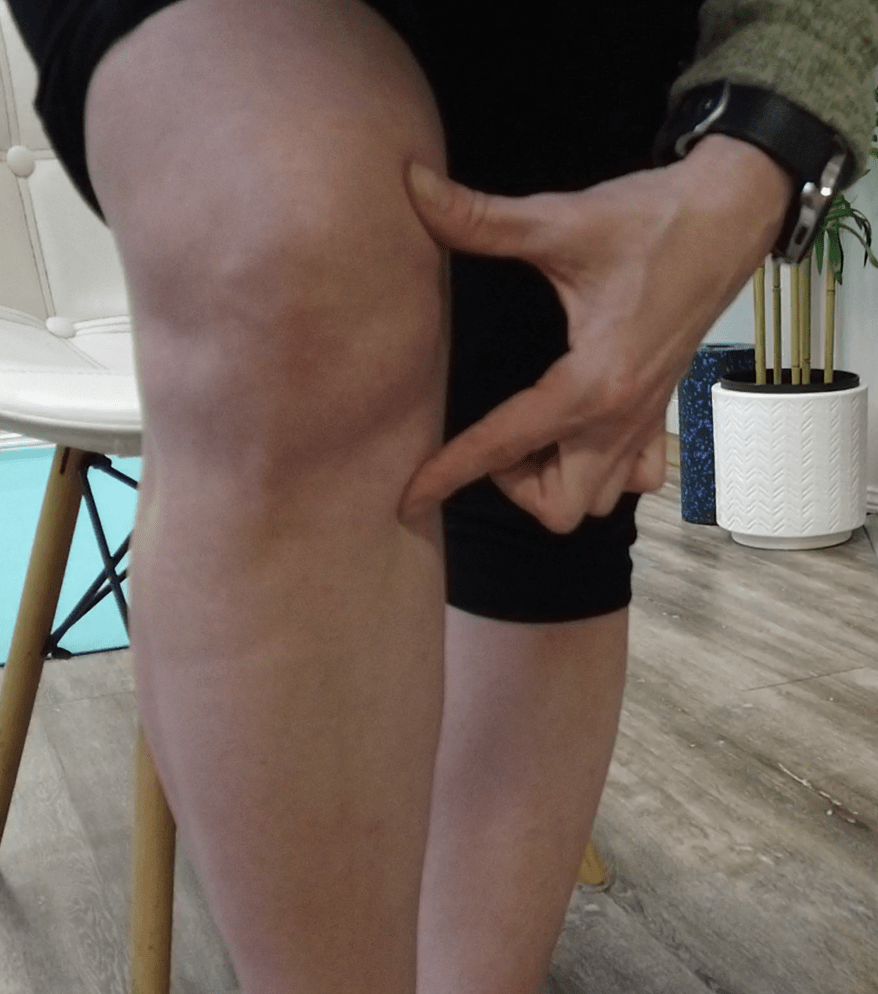
Please do not straighten up the knee. There is no need to keep the knee at 90 degrees but
Wait for the VMO to extend the joint- once the body is READY to do it. Forcing full extension too early
can be compared to running a lawn mower over newly growing plant and asking why it is not growing.
The whole process can take approx 6 months. Once the ACL has healed, the full extension will
come with no effort. Prior to that, the body subconsciously fights the extension.
Top priority is to create/restore neurological connection of VMO/Iliacus/TVA/Diaphragm as one power line and strengthen it accordingly.
Start rehab early
Start as early as you can – the rehab can start on day 2 (within 2 months as the latest). Opening the
knee joint (achieving full flexion) and strengthening VMO neurological pathway with the hip joint and
the core are the primary objectives.
Based on epigenetics principles, the stem cells will turn into ligament cells as the body still
‘remembers’ what was there before. Leaving it for too long may cause the body to apply
overcompensation patterns as a permanent solution.
No ice
Swelling promotes healing by directing synovial fluid to the injured area. Applying ice has
the opposite effect. Within few weeks synovial fluid will accumulate around the areas that just need
healing, excessive fluid will only be generated with excessive strain to the knee joint.
Note: Ice can be applied on the day of the injury but avoided later in the healing process.
Completely switch off superficial back line for hip and knee flexion as overcompensation
Self release protocol for calve and hamstring releases
Do not rush with unilateral exercises- Slow is More
Don’t rush progression to unilateral/pivoting
Introduce single leg ONLY once the pelvis is completely stable and core properly engaged without weight shifting through VL, TLF/ITB, QL, spinal extensors and the shoulders. Applying bilateral stage for longer creates a positive feedback loop in the brain to cross-reference against uninjured leg. Coming from full stability and gradually removing support structures will bring long lasting results. Starting from poor stability unilaterally reinforces overcompensation patterns causing additional strain on body in the future (e.g commonly experienced hip issues or shoulder/neck issues after knee injuries)
 HealMyACL
Leave a comment